
Incoming Materials
Check the specifications and quality of electronic components, plastic parts and bristles before acceptance, following the material inspection procedure. Apply 100% electronic-component checks where specified.
From in-house molding and brush-head production to assembly and inspection, our teams work together to deliver consistent products built to your approved specifications.
Integrated tooling and injection molding, with in-house housing production to control quality at the source.
Tooling and molding teams coordinate to review housing quality, appearance and assembly fit.
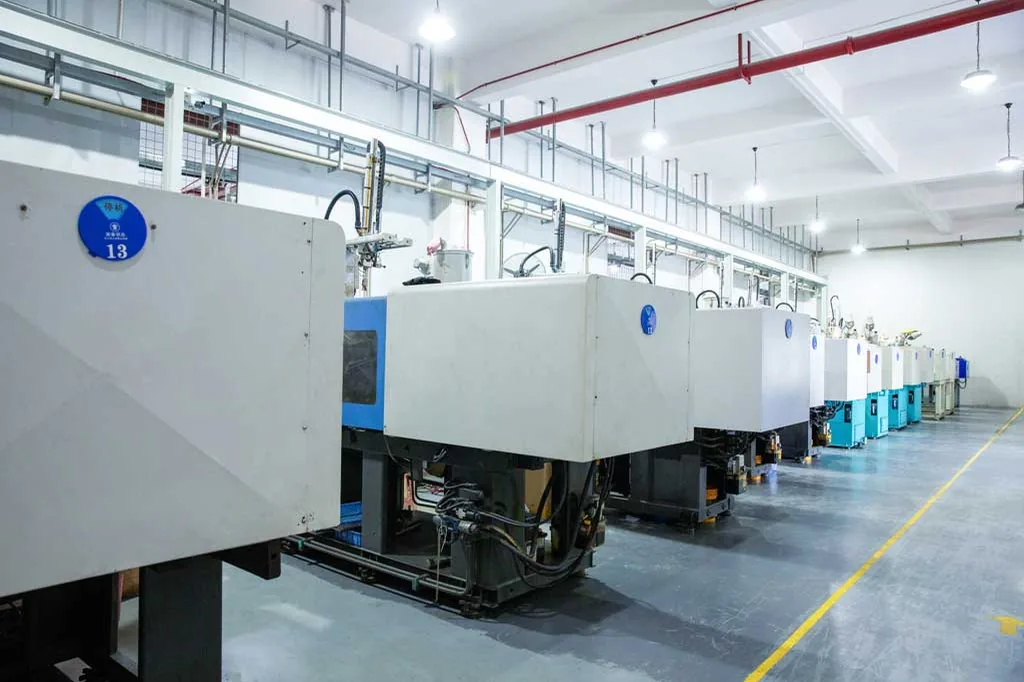
Our injection molding workshop supports the production of plastic components.
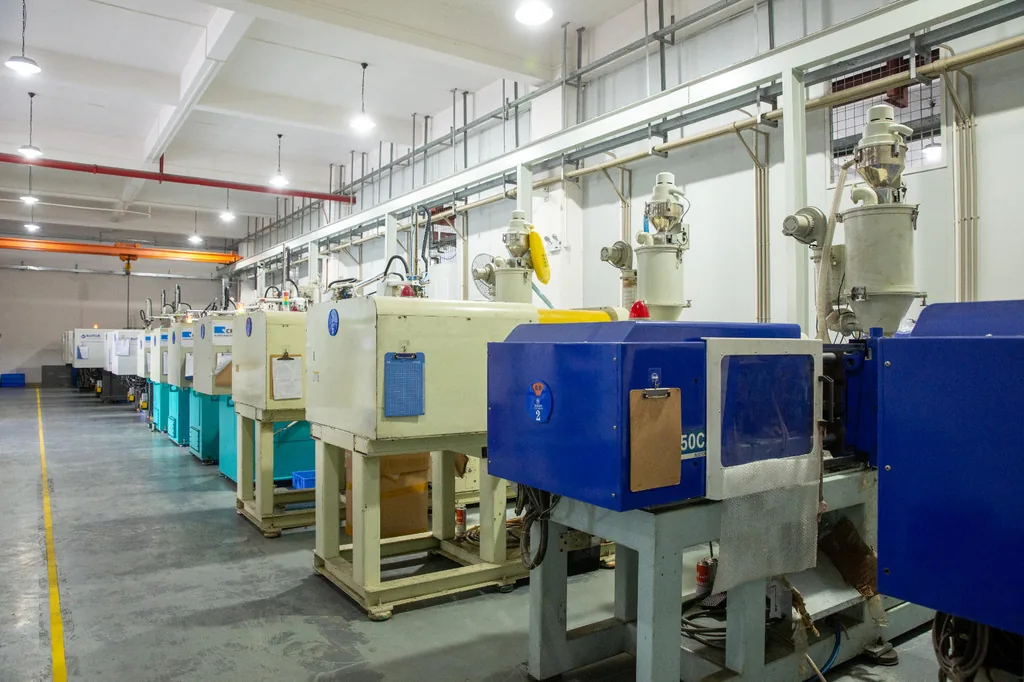
A row of production machines and the workshop layout in the injection molding area.
German-imported equipment supports copper-free tufting for selected toothbrush heads.
Copper-free tufting is available for selected brush-head designs. Bristle end rounding and inspection support model-specific material and head configurations.
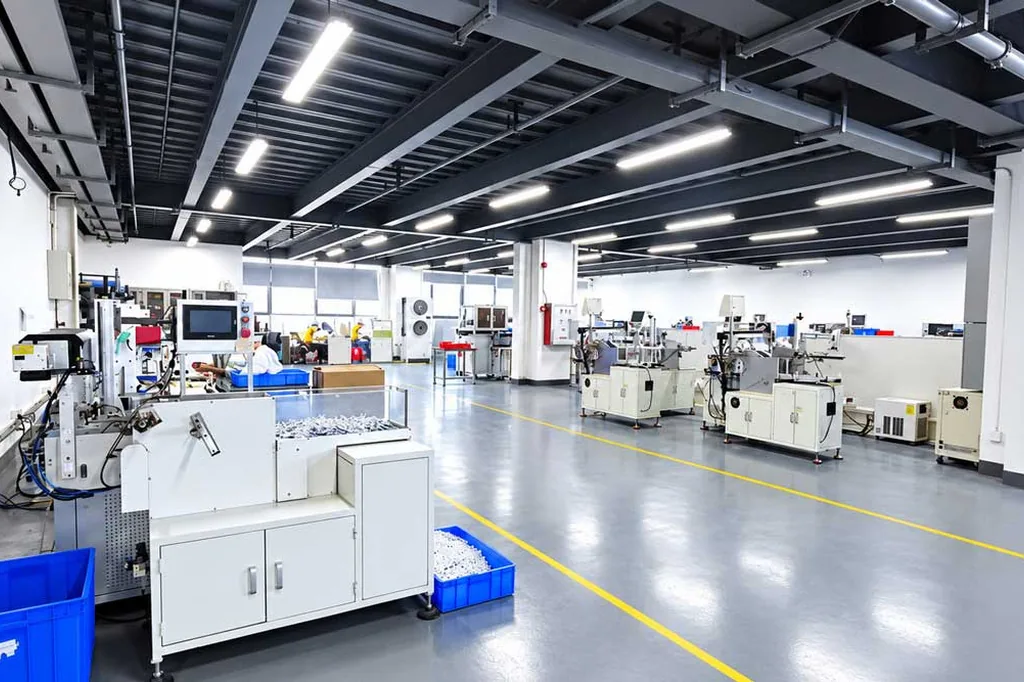
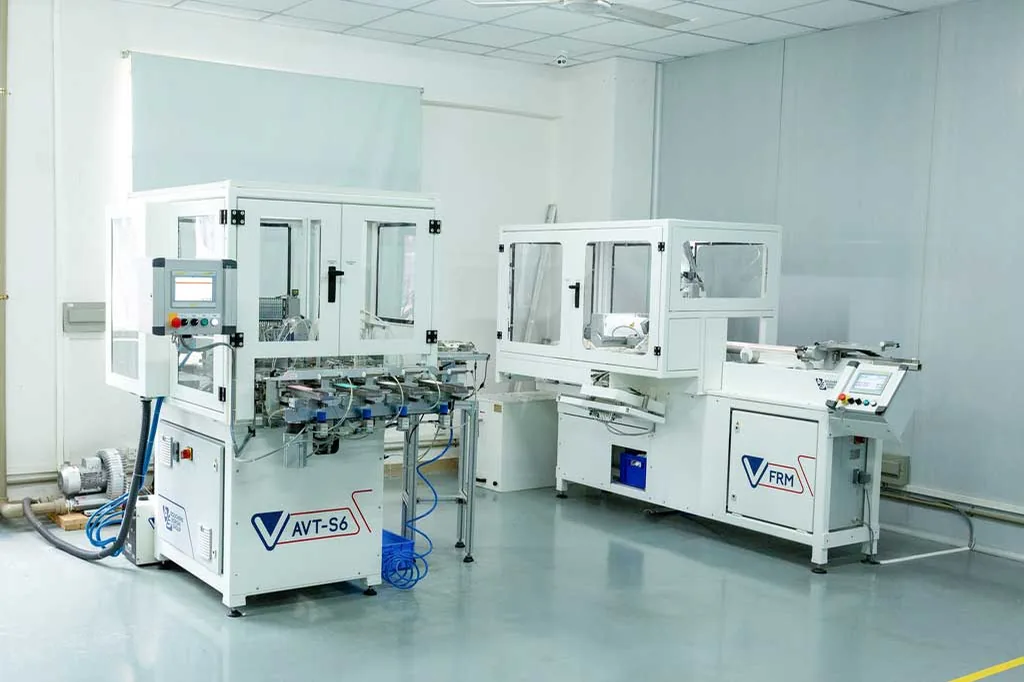
A view of our automated equipment and production layout.
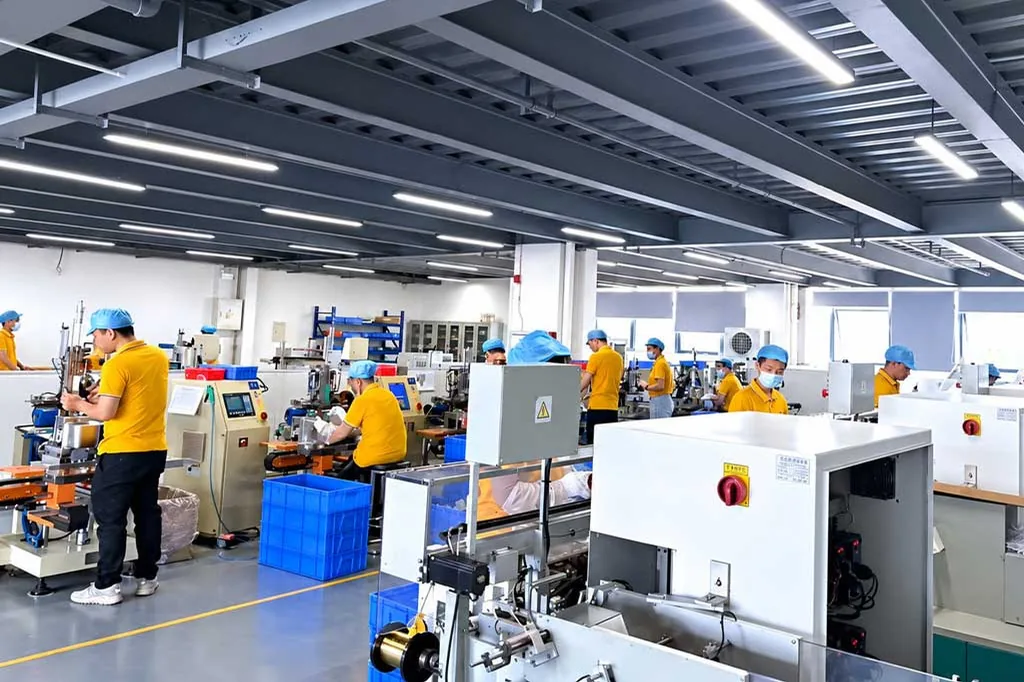
An operator works at a production station.
Another view of equipment operation on the production floor.
Copper-free tufting equipment is used in our brush-head production process.
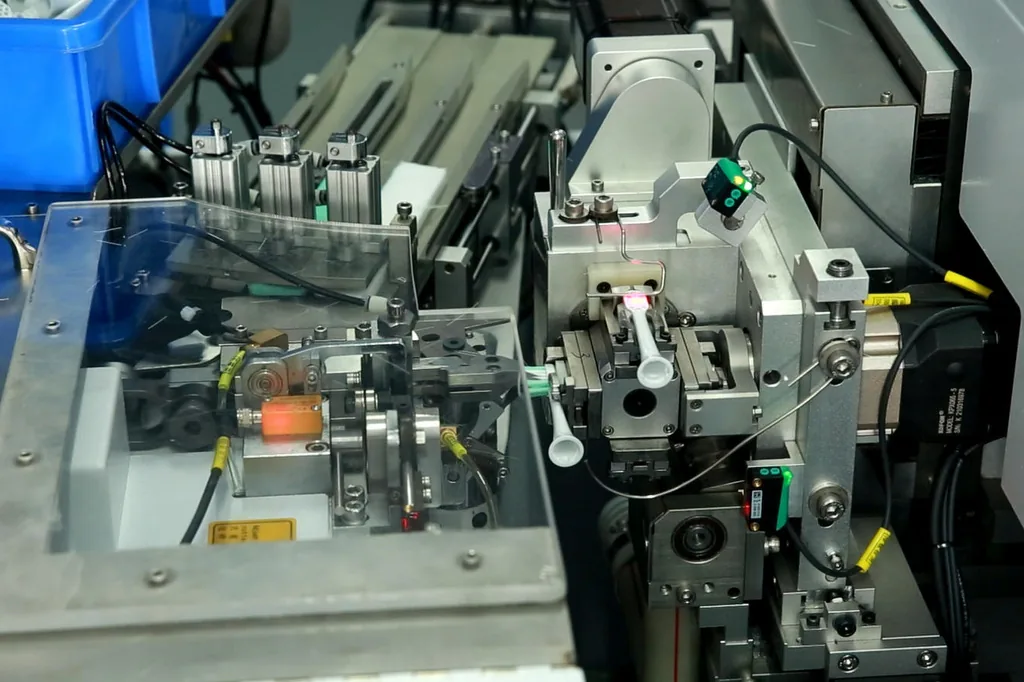
A close view of automated equipment, including workstations, mechanical assemblies and component handling.
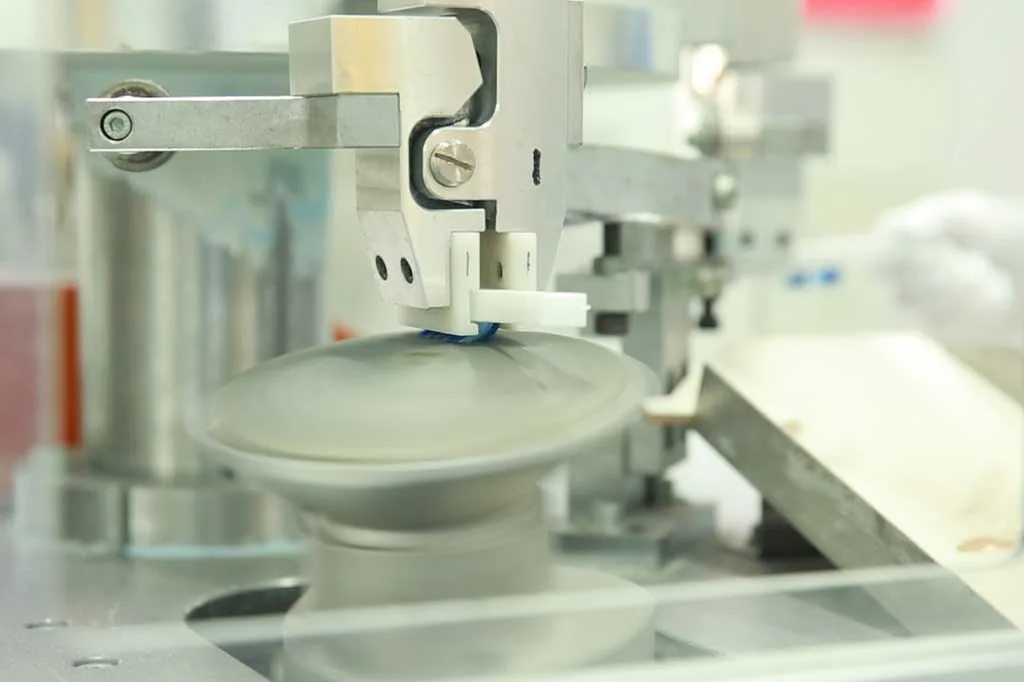
Bristle end rounding is part of our brush-head finishing process.
More than 70 production workers support the assembly of motors, circuit boards and housings into finished products.
Workstations coordinate component and final-product assembly through finished-goods storage, following approved specifications and order requirements.
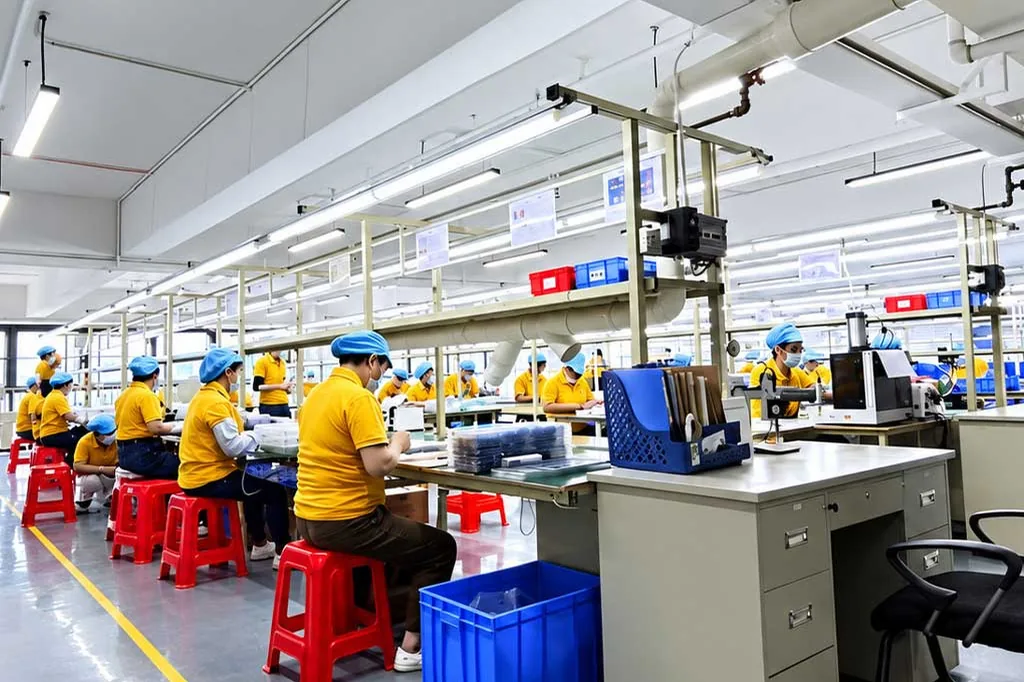
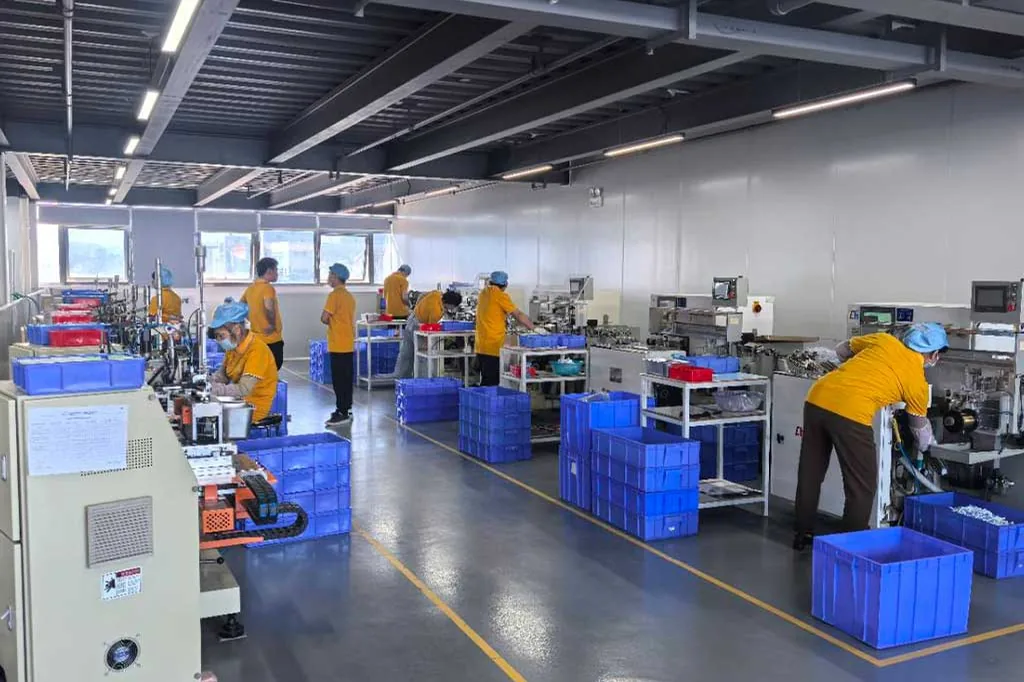
Our assembly workshop brings together production workstations and operators.
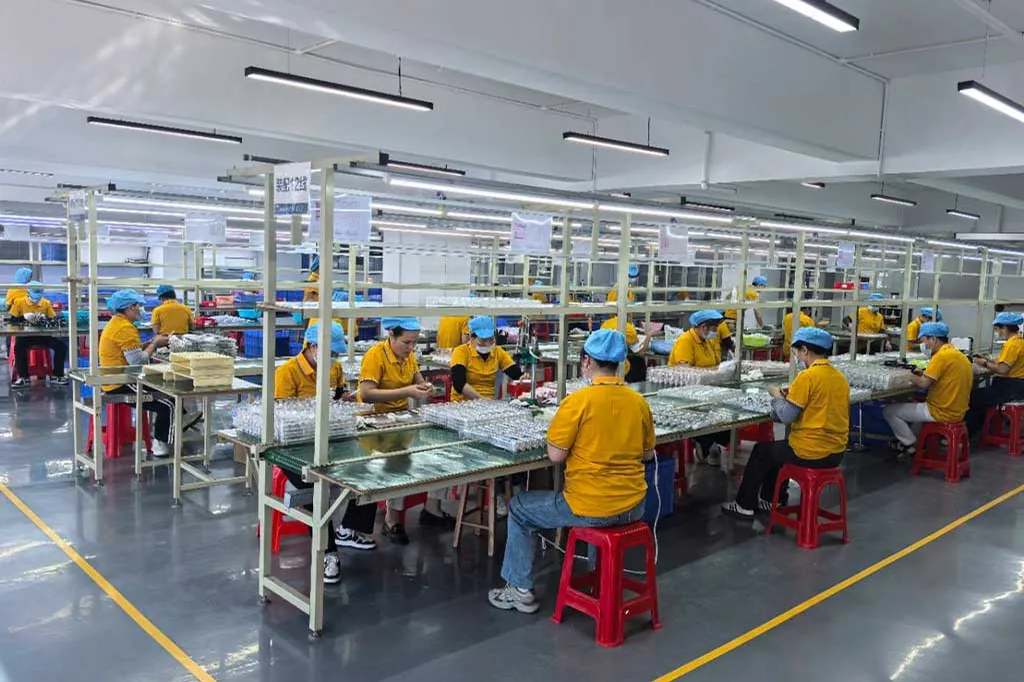
A second view of our assembly lines and workstation layout.
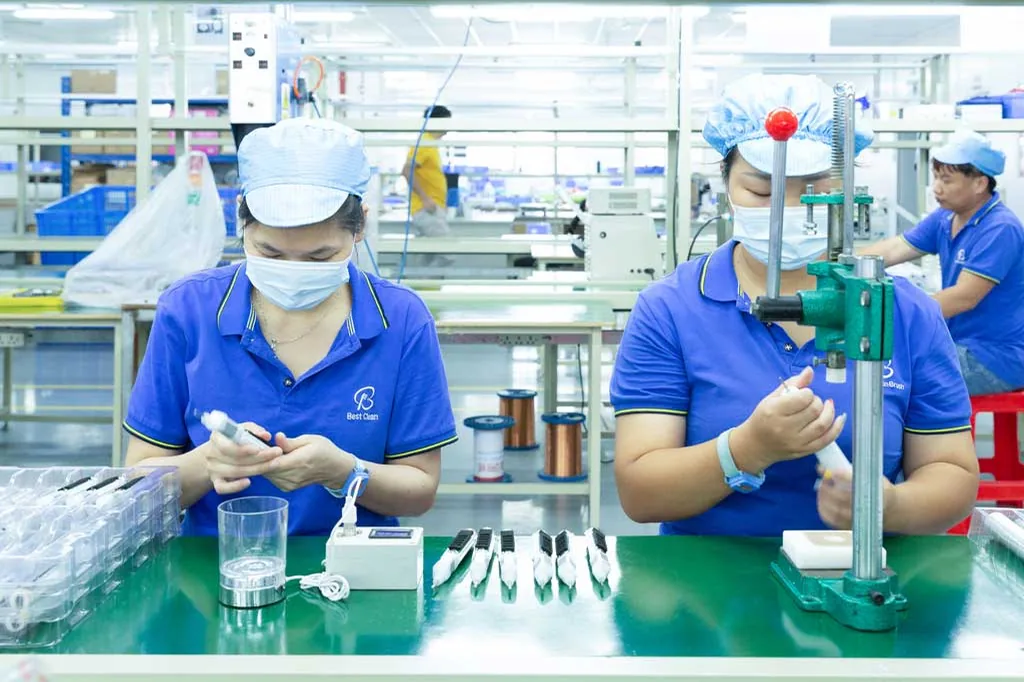
A close-up of hands-on component handling and assembly work.
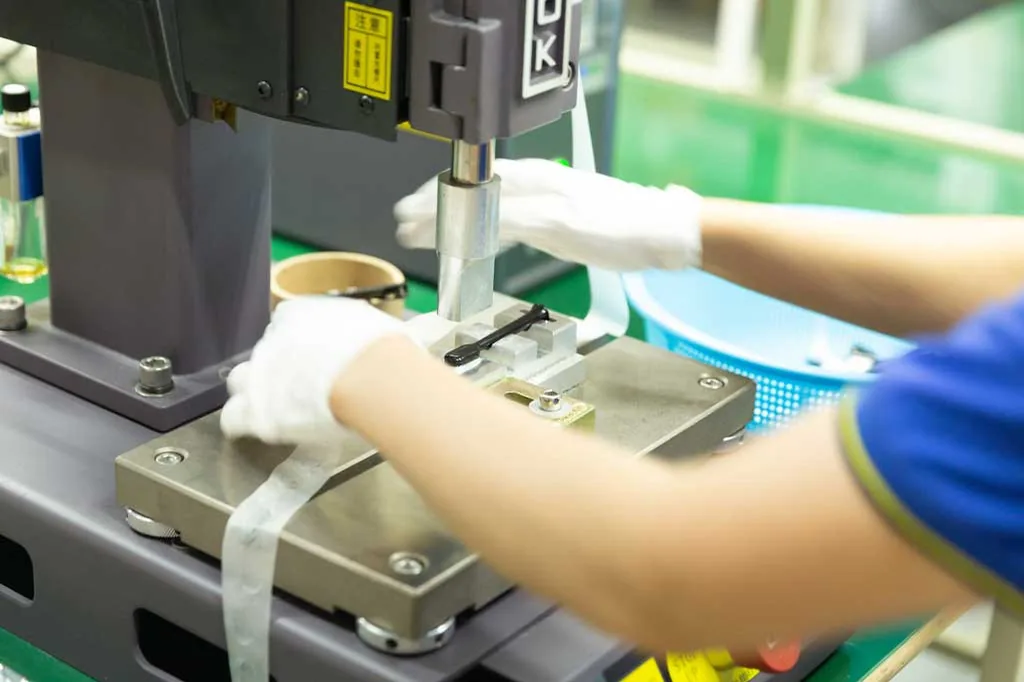
A closer look at component handling at an equipment station.
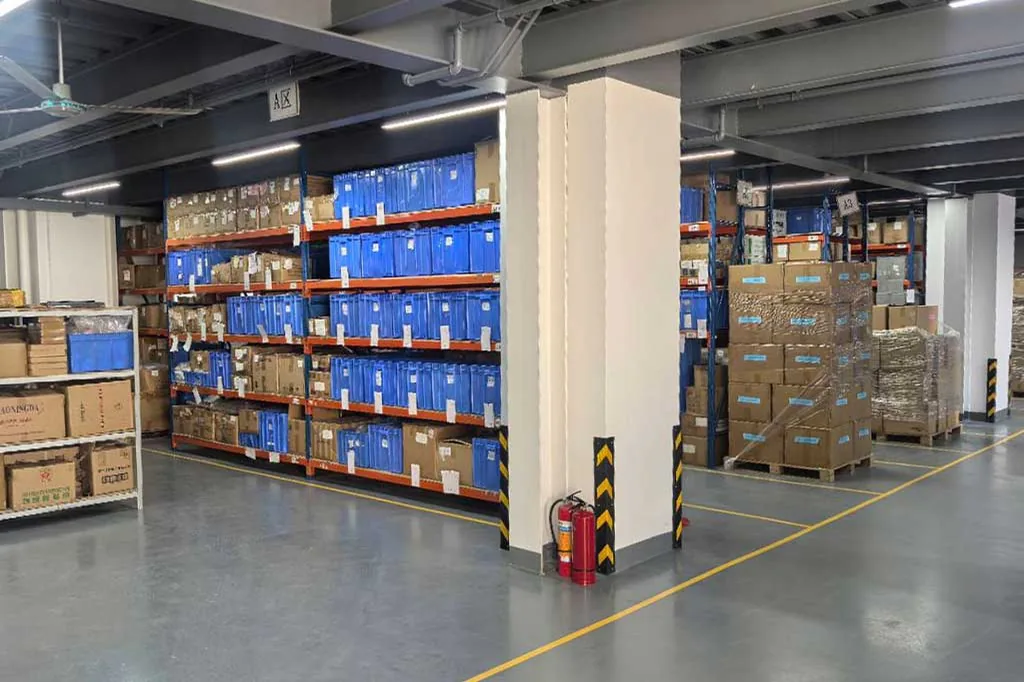
Finished goods are organized in our warehouse for storage and shipment preparation.
A 38-item quality and reliability test list, with 100% incoming inspection of electronic components and unit-by-unit IPX7 handle water-resistance checks where applicable.
The 38-item list spans incoming materials, in-process checks, finished products and shipment. Each model procedure defines applicability, frequency and acceptance criteria.
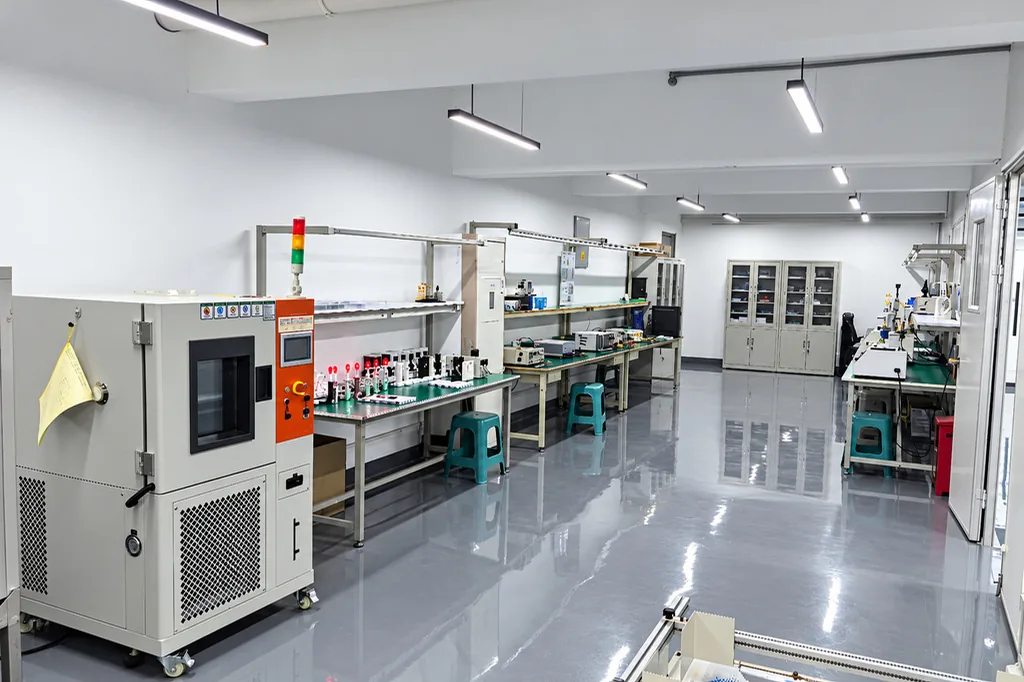
Our testing equipment area supports product and component evaluation.
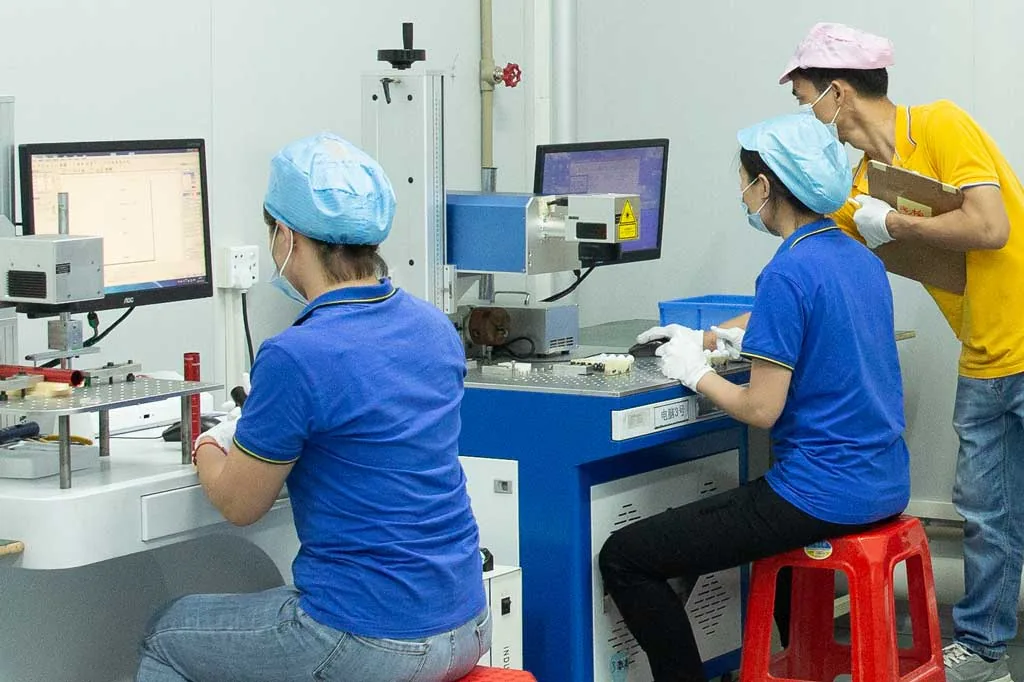
Our team carries out product and component checks in the laboratory.
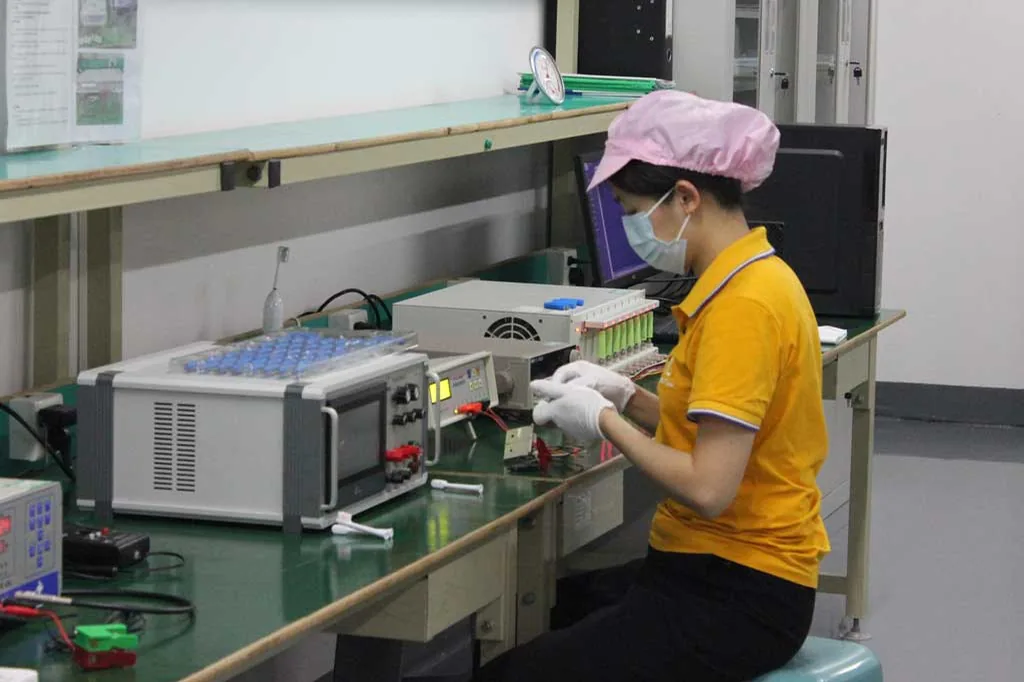
An operator performs checks at a laboratory test station.
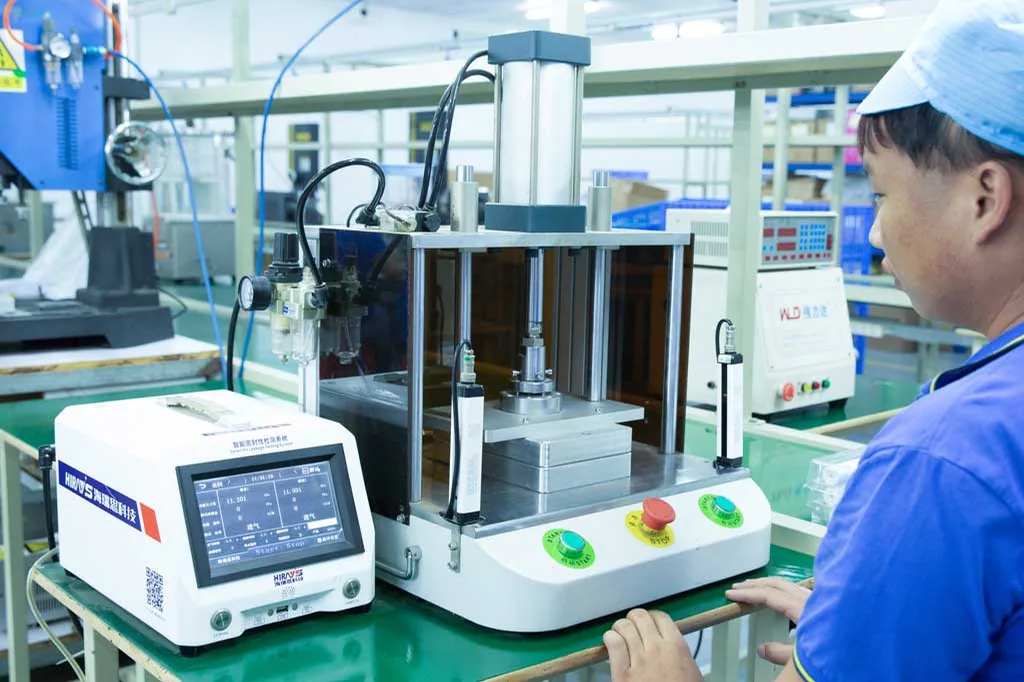
Dedicated equipment is used to test product sealing performance.
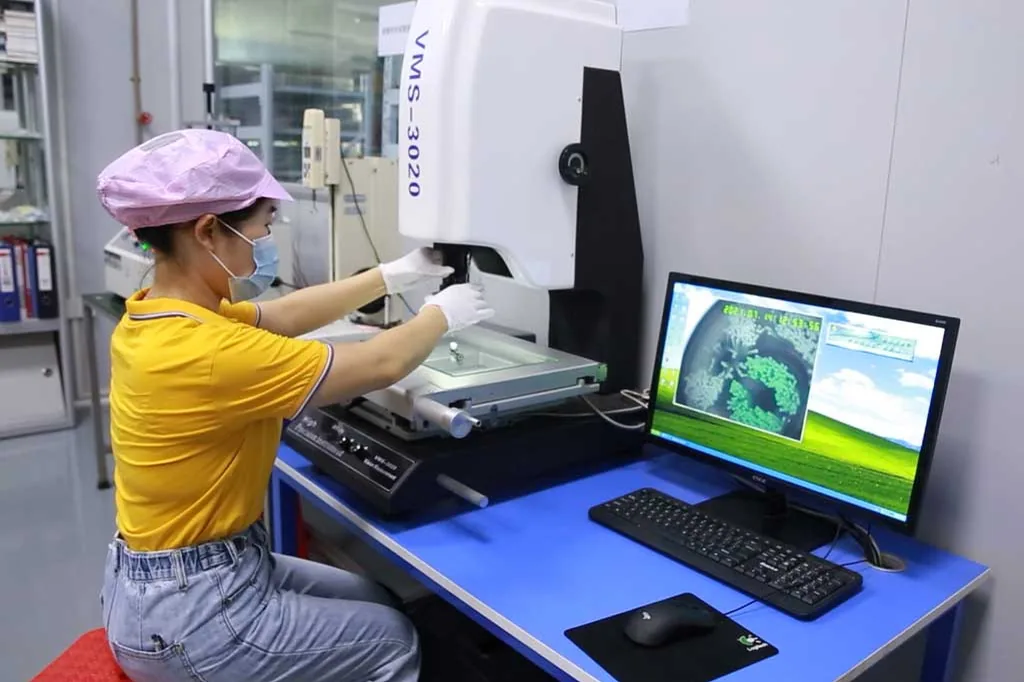
Equipment-assisted inspection provides a closer view of the bristles.
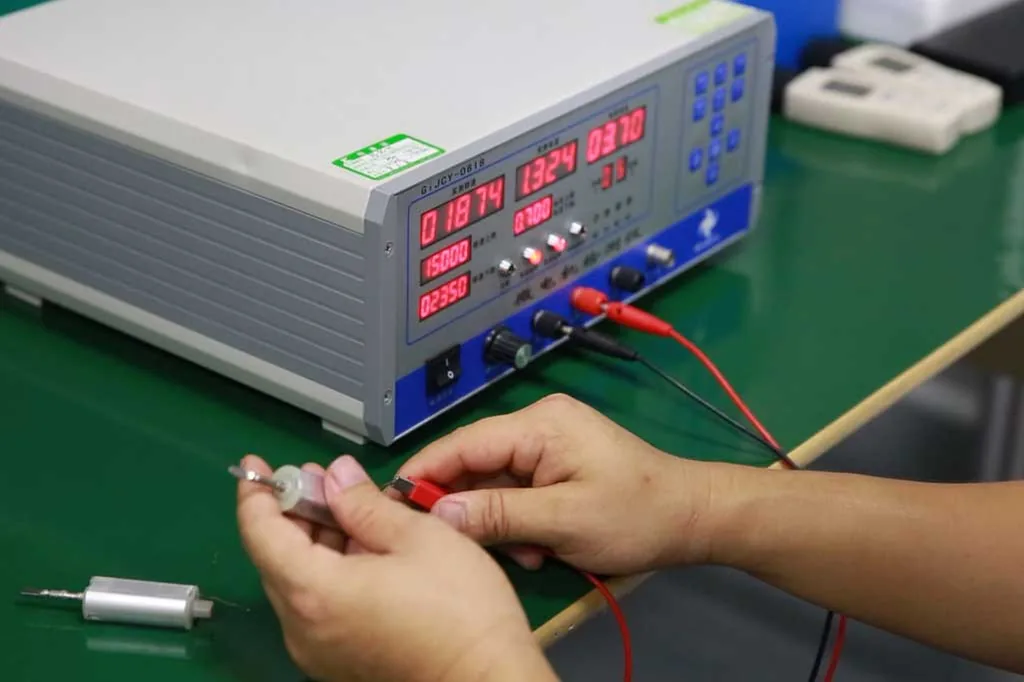
Motors are connected to test instruments for performance checks.
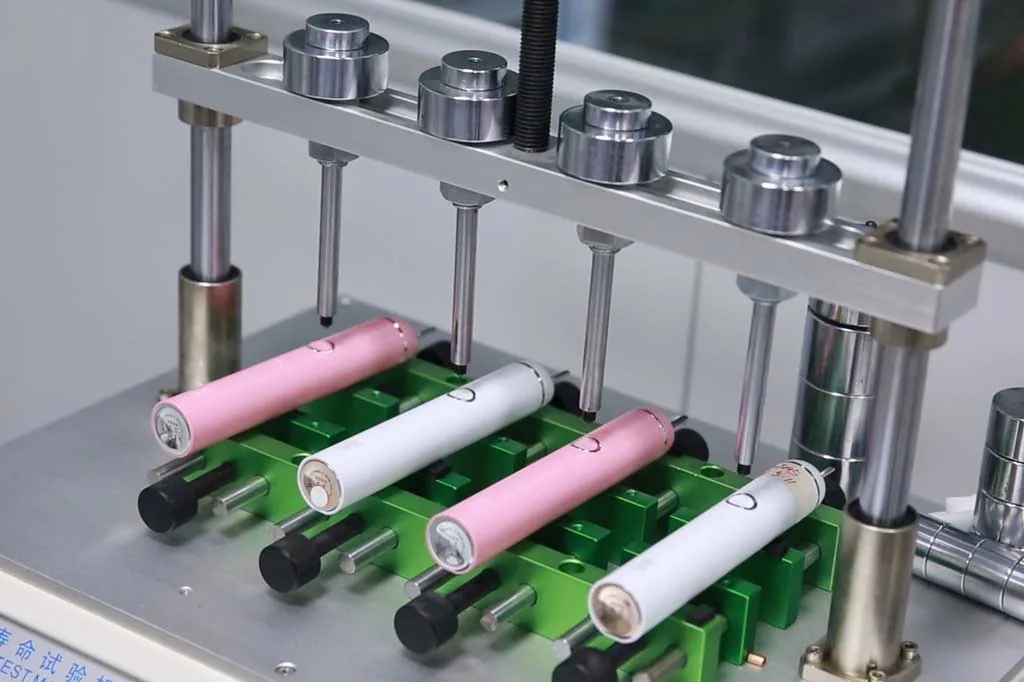
A dedicated fixture repeatedly actuates buttons to evaluate durability.
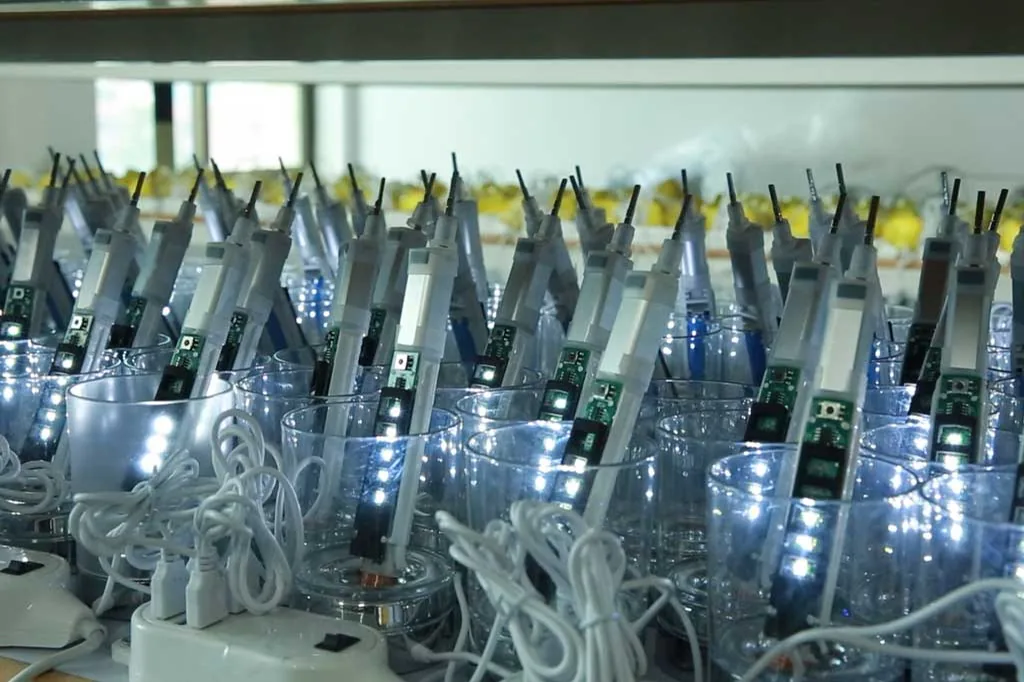
Products undergo aging tests on a multi-position test setup.
Check the specifications and quality of electronic components, plastic parts and bristles before acceptance, following the material inspection procedure. Apply 100% electronic-component checks where specified.
Check molding, tufting and assembly during production, identify and isolate nonconforming parts, and document the resolution.
Verify applicable appearance, function, water-resistance and reliability requirements under the model procedure. The 38-item list spans several stages.
Check packaging, labels, quantity and order requirements. Carry out applicable package-drop or simulated-transport validation before shipment.
The test program covers components, functions, electrical performance, durability, environmental conditions and packaging.
Check handle sealing and water resistance; applicable handles receive unit-by-unit checks under their inspection procedure.
Reduce the risk of water ingress during normal cleaning and bathroom use.
Simulate drops under the model-specific test conditions and check housing, joints and function.
Identify weak points and assess integrity after an accidental drop.
Run the motor continuously or in cycles under defined conditions, then review vibration, noise and function.
Validate stability over extended operation and detect early failures.
Check how firmly bristles remain fixed under the specified pull force.
Reduce the risk of abnormal bristle shedding.
Cycle the battery through charging and discharging and record capacity and operating performance.
Understand how battery performance changes over repeated use.
Test the agreed packaging against handling impacts and transport vibration, then inspect the carton, insert and product.
Validate package protection and reduce transit-damage risk.
Imported copper-free tufting equipment is used for selected brush heads, including the BJ-T9 option.
Offer a brush-head construction option distinct from traditional metal-anchor tufting.
Selected DuPont-bristle heads receive an end-rounding process.
Rounded bristle tips support a smoother brushing feel. The end-rounding rate depends on the brush-head specification.
Use a denser bristle arrangement on applicable heads.
Create options for brushing coverage and product differentiation.
BJ-T5B uses a four-layer exterior finish, while BJ-T9 uses a three-color molded design.
Provide two distinct appearance treatments for a differentiated range.
BJ-Y2, BJ-T5B and the BJ-T6 family use magnetic-levitation sonic motors; stroke rates vary by model.
Support different cleaning modes and product specifications across the range.
BJ-T3 uses a regulated drive and operates at 18,000–23,000 strokes per minute.
Help keep the vibration feel more consistent in use, subject to the sample and test conditions.
Meet our team and review the production and quality steps relevant to your project.